How modular concrete blocks deliver fast, reliable remediation for Australian sites
When a major storm hit New Zealand's West Coast, it cut every road into and out of the region. Several critical routes closed because of slips and washouts. One of them was State Highway 6 near Coal Creek, south of Murchison, which left communities isolated and stopped freight.
Reopening SH6 quickly was essential to reconnect local communities and restart freight. Contractors used Interbloc® precast concrete blocks to build a temporary single-lane carriageway strong enough for heavy vehicles, and the highway reopened in a fraction of the time a conventional rebuild would take.
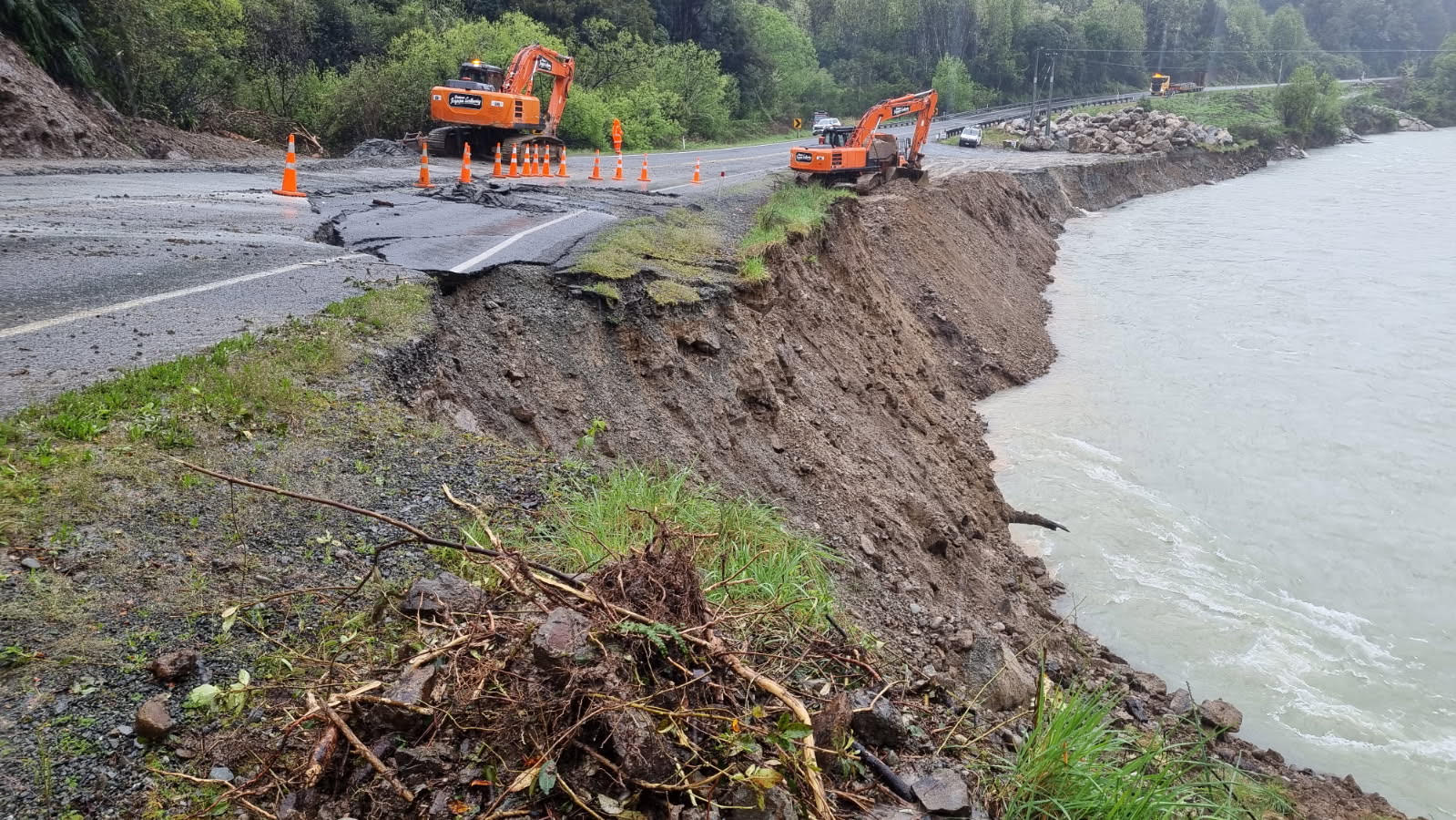
Interbloc® blocks were already stockpiled at Fulton Hogan's Appleby Quarry, so crews started work straight away. That removed the long delay of trucking materials from Christchurch via Blenheim, and the highway reopened sooner.
What This Means for Australia
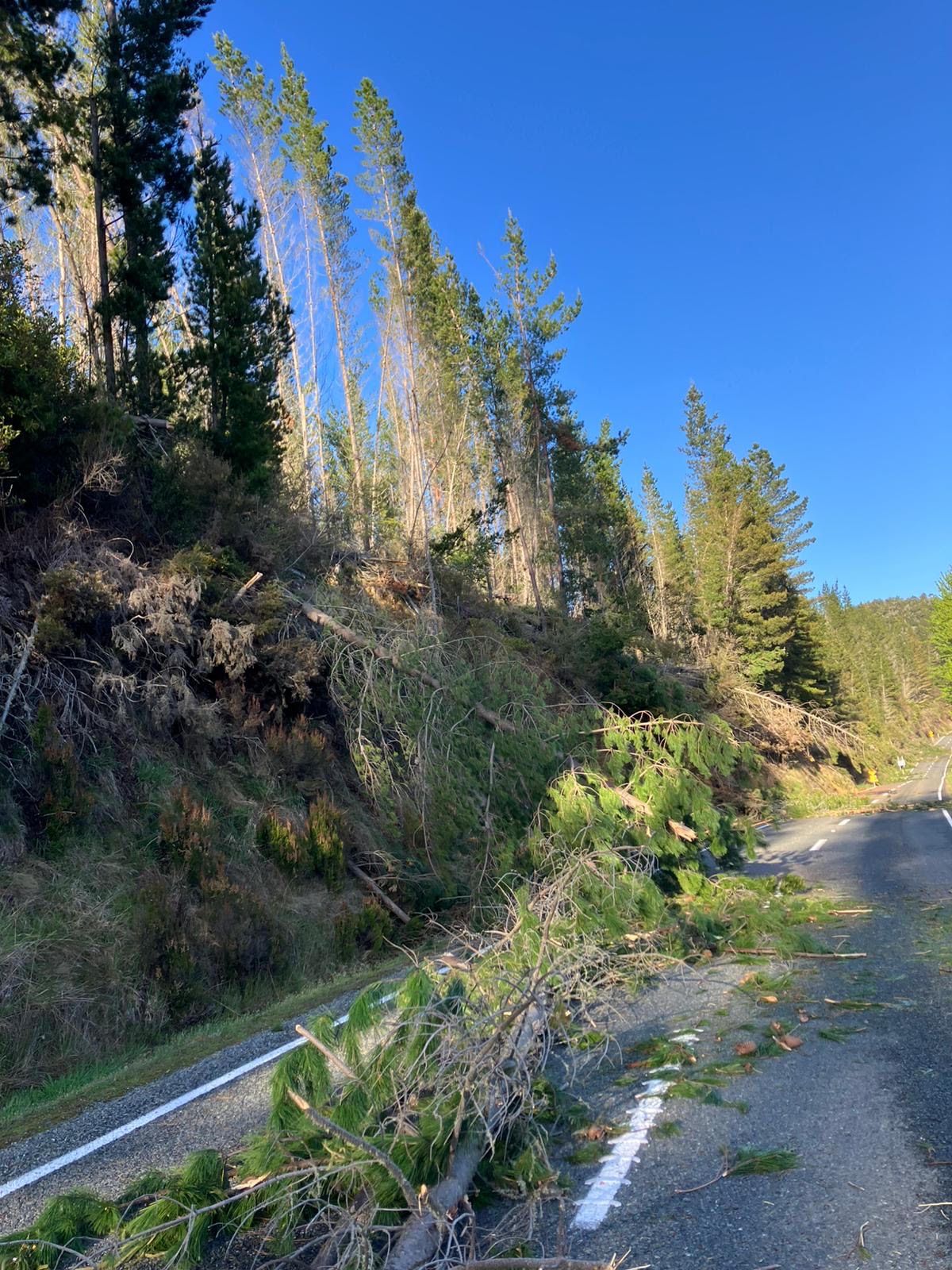
Australia's infrastructure faces the same pressures, often at a bigger scale. Floods, cyclones, bushfires and coastal storms regularly wash out roads, erode embankments and cut off regional communities and supply chains. When a road, rail corridor or haul road fails, every hour of downtime costs money and puts pressure on communities.
Interbloc® gives asset owners, councils and contractors a proven way to restore access fast.
How Interbloc® Works as a Remediation Tool
Interbloc® is a modular, interlocking precast concrete block system. The blocks stack like building blocks and need no mortar, reinforcement or curing time. Each block locks into the blocks around it, forming a stable gravity retaining wall that carries load as soon as it's placed.
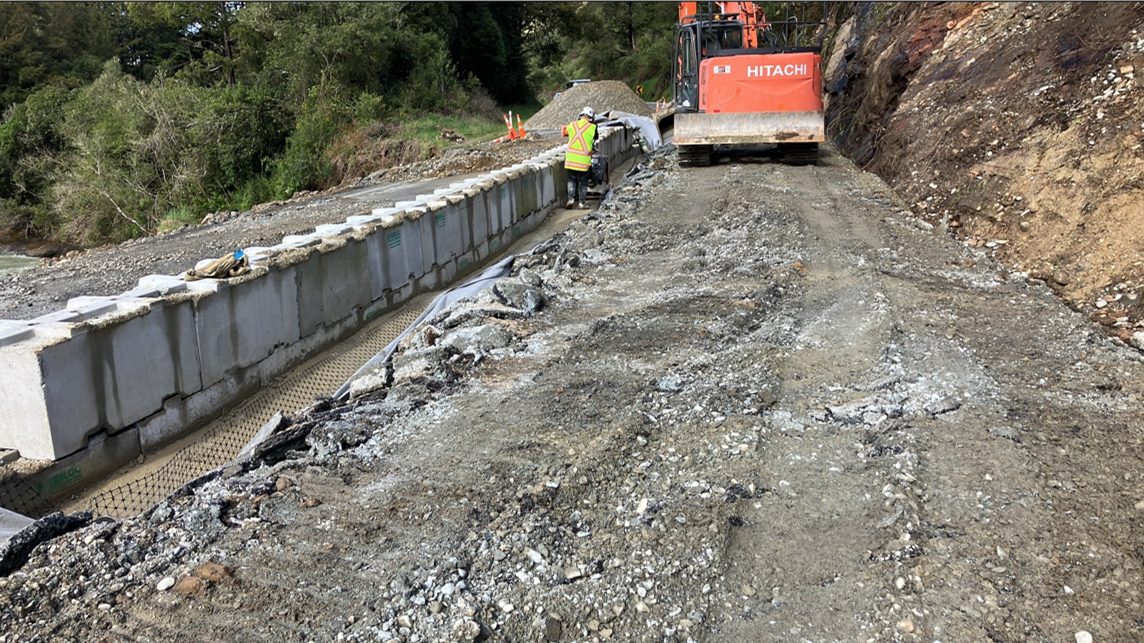
Key advantages on remediation sites:
- Fast installation. An excavator places the blocks as they arrive, with no formwork, pouring or curing. You can have access back in days, not weeks.
- Heavy-duty performance. Gravity retaining walls built from Interbloc® can support temporary carriageways, embankments and platforms that carry heavy vehicle loads.
- Works in tough conditions. Wet weather, limited access and unstable ground don't stop installation, which suits emergency response.
- Reusable and relocatable. Once permanent repairs are done, you can lift the blocks out and reuse them on the next site. That cuts waste and lifetime cost.
- Adaptable. The modular design fits changing site geometry, curves and staged construction.
- Lower-carbon option. Interbloc® is often made from surplus concrete and can be reused many times, so it reduces the need for new materials.
Typical Australian Applications
- Rebuilding road shoulders and carriageways after flood or storm washouts
- Stabilising riverbanks and scoured embankments
- Retaining landslips on regional and mountain roads
- Temporary access for rail corridors and bridge approaches
- Mine site haul roads, bunding and stockpile walls
- Protecting against coastal and foreshore erosion
- Retaining walls for staged construction and traffic switches
Local Stock Means Faster Response
The SH6 project showed how much local availability matters. Emergency works could start the moment crews were ready because the blocks were stockpiled nearby.
The same approach works in Australia. Asset owners and contractors can hold Interbloc® stock at strategic depots and quarries before storm and cyclone season, so the solution is ready when disaster strikes.
Be Ready Before the Next Event
Envirocon® works with contractors, councils and infrastructure owners on fast, practical remediation solutions. Talk to our team about Interbloc® for emergency response planning, stockpiling or your next remediation project.